

Why Am I Gaining Weight?
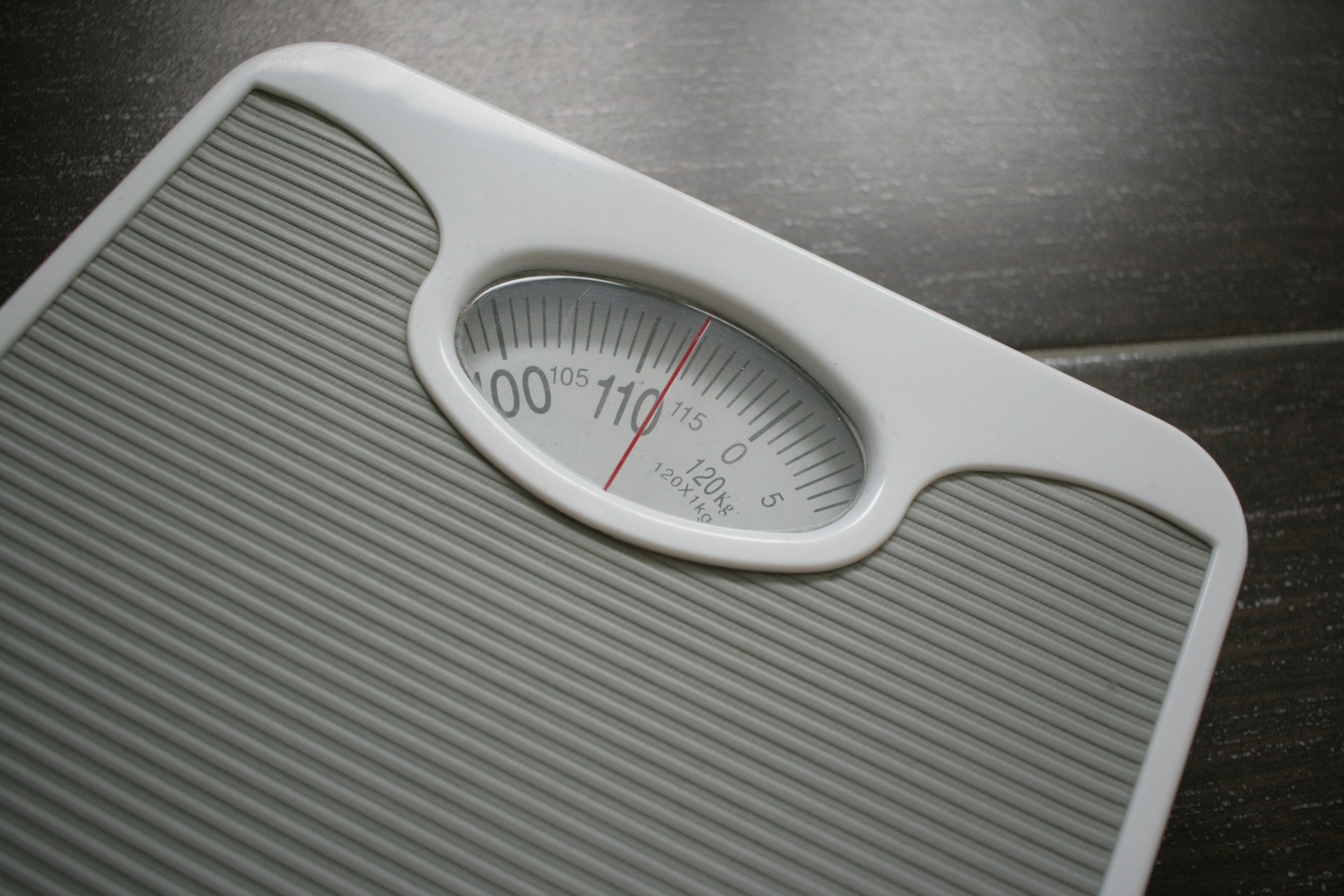
What it Means When Nothing Has Changed
You've kept roughly the same habits for years. You're eating the same things, moving about the same amount, sleeping the same number of hours. And then the scale starts moving anyway, slowly at first, then enough that it doesn't feel like a fluctuation anymore.
This is one of the most frustrating things to experience, and one of the most common reasons people come in for an evaluation. It feels like something is wrong, but every explanation offered, eat less, move more, it's just aging, doesn't match the reality that nothing has actually changed.
There's usually a biological reason for what's happening. The body's weight regulation is not as simple as calories in and calories out, and for many people, the real driver is something happening hormonally or metabolically that no amount of willpower is going to override. Understanding what's actually going on is the first step toward doing something about it.
Why the "Nothing Has Changed" Pattern Happens
The body is a system, and systems don't stay static over time. Even when behavior stays the same, the underlying physiology shifts, sometimes gradually, sometimes in a more pronounced way tied to a specific biological transition.
When weight starts accumulating without a clear behavioral cause, the most common culprits are changes in hormone levels, shifts in metabolic rate, sleep quality disruption, and how the body handles blood sugar. These are measurable, testable things. They're also treatable.
The Hormonal Causes of Unexplained Weight Gain
1. Perimenopause and Declining Estrogen
If you're a woman in your late 30s, 40s, or early 50s, perimenopause is the most likely explanation, and it's one that often gets dismissed because the conversation hasn't happened yet.
As estrogen levels decline during the perimenopause transition, the body undergoes several changes that directly affect weight. Estrogen plays a role in how the body distributes fat. When levels drop, fat tends to shift toward the abdomen, the classic pattern of weight gain that shows up in the midsection even when the number on the scale hasn't moved dramatically.
Mayo Clinic notes that menopause-related weight gain isn't simply about hormones; it also involves aging-related muscle loss, reduced activity, and disrupted sleep. But the hormonal piece is central, and it's the piece most likely to respond to targeted intervention.
Progesterone changes during perimenopause can also contribute to water retention and bloating, changes that may not show up as fat gain but create the feeling that the body's composition is shifting in a way that doesn't match your habits.
2. Thyroid Underfunction
The thyroid controls the pace of your metabolism. When it becomes underactive, a condition called hypothyroidism, everything slows, including how efficiently the body burns calories.
According to Mayo Clinic, weight gain is one of the hallmark symptoms of hypothyroidism, alongside fatigue, cold sensitivity, dry skin, and constipation. The weight gain associated with hypothyroidism is often moderate and tends to involve some fluid retention alongside changes in body fat.
What makes thyroid-related weight gain particularly easy to overlook is that it often develops gradually and gets attributed to other causes. A complete thyroid panel, including TSH, free T4, free T3, and thyroid antibodies, gives a clearer picture than the standard TSH screen alone.
3. Cortisol and Chronic Stress
Cortisol is a stress hormone, but it's also a fat-storage hormone under the right conditions. When the body is under prolonged stress, cortisol levels stay elevated, and one of the effects is increased fat storage, particularly in the abdomen.
Cleveland Clinic explains that chronically elevated cortisol promotes the breakdown of muscle tissue and the storage of visceral fat (the fat that accumulates around the internal organs). This type of weight gain is particularly resistant to conventional diet and exercise approaches because the underlying driver, the hormonal environment, hasn't changed.
Cortisol also affects appetite and cravings. People with elevated cortisol tend to crave high-calorie, high-carbohydrate foods, which creates a cycle that makes the pattern harder to interrupt with willpower alone.
4. Insulin Resistance
Insulin is the hormone that moves glucose from the bloodstream into the cells. When cells become less responsive to insulin, a condition called insulin resistance, the pancreas compensates by producing more. Higher circulating insulin levels signal the body to store fat rather than burn it.
Mayo Clinic describes metabolic syndrome, which is closely linked to insulin resistance, as a cluster of conditions including elevated blood sugar, excess abdominal fat, and abnormal cholesterol levels that significantly raise the risk of type 2 diabetes and cardiovascular disease. Insulin resistance is increasingly common and often develops silently over years.
The weight gain pattern associated with insulin resistance tends to be concentrated in the abdomen, and it often comes with energy crashes after meals, intense carb cravings, and difficulty losing weight even with significant effort. Insulin resistance also interacts with estrogen, thyroid function, and cortisol, which is why it frequently appears alongside the other conditions on this list rather than in isolation.
5. Low Testosterone
Testosterone is often framed as a male hormone, but it's produced by women in smaller amounts and plays a meaningful role in body composition for both sexes. Testosterone supports muscle mass, and muscle is metabolically active tissue that burns more calories at rest than fat does.
When testosterone declines, which happens gradually with age, more sharply during and after menopause in women, and progressively in men over time, lean muscle mass tends to decrease. This shifts body composition in a way that can affect weight even without any change in behavior. You can be eating the same amount and doing the same activity while your metabolic rate slowly declines because the proportion of muscle to fat in your body has changed.
What About Sleep?
If your sleep quality has shifted, even subtly, it may be contributing more than you'd expect.
Sleep deprivation affects two key hormones that regulate hunger: ghrelin, which stimulates appetite, and leptin, which signals fullness. When sleep is disrupted or insufficient, ghrelin goes up and leptin goes down, meaning the body sends more hunger signals and fewer satiety signals. A systematic review published in PMC found that short sleep duration is consistently associated with weight gain and obesity in adults across age groups.
This matters because the same hormonal changes, particularly in perimenopause and with thyroid dysfunction, that drive weight gain also frequently disrupt sleep. The two problems feed each other. Learn more about this in this article.
Why Your Weight Doesn't Respond to the Usual Approaches
The reason that eating less and exercising more doesn't resolve hormonally driven weight gain is that the root cause isn't behavioral. You can create a calorie deficit and still gain weight if your thyroid is significantly underactive. You can restrict carbohydrates and still struggle if insulin resistance is severe and untreated. You can do everything right on the surface and still feel like you're fighting your own body, because metabolically, you are.
This is not a motivation problem or a lack of discipline. It's a physiology problem, and it deserves a physiology-based approach.
What a Hormonal Evaluation Looks Like
At Transitions Healthcare, an evaluation for unexplained weight gain starts with a thorough history, covering not just diet and activity but the full picture: when it started, what else changed around that time, sleep, stress, menstrual cycles, energy, mood, and what has been tried before.
The lab work is targeted to the picture in front of us, and typically includes a complete thyroid panel, sex hormone levels, cortisol, fasting insulin and glucose, HbA1c, vitamin D, and a metabolic panel. This gives us something concrete to work with rather than general advice to try harder.
The plan that follows is personalized. Depending on what the labs show, that might include hormone optimization including bioidentical hormone therapy or EvexiPEL pellet therapy, thyroid management, or coordinated care that addresses multiple contributing factors together. We also address the emotional weight of what chronic fatigue and body changes can bring. You can learn more about our mental health services here.
If Your Body Feels Like It's Working Against You
It might actually be. But that's something that can be investigated, and in most cases, addressed.
If you've been dealing with unexplained weight gain and haven't been able to get to the bottom of it, a thorough hormonal and metabolic evaluation is where to start.
We see patients in Mandan, Bismarck, and across central North Dakota. Call (701) 699-4052 to schedule, or reach out through our contact page.
Learn more about our hormone optimization services and meet our providers.
Medical disclaimer: This article is for educational purposes and is not intended to replace personalized medical advice. If you are experiencing symptoms that concern you, please consult a qualified healthcare provider. We would love to welcome you to our clinic.